
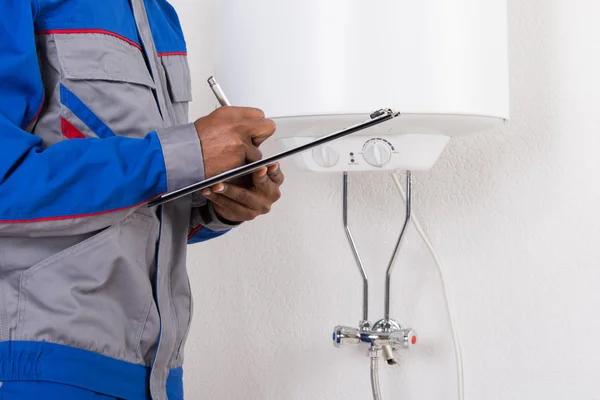
Regular home plumbing inspections are essential for maintaining the integrity of a property and preventing costly repairs over time. A thorough inspection helps identify potential issues early, allowing homeowners to address them before they escalate into major problems. To ensure long-term protection, it is important to follow best practices that cover all critical components of the plumbing system.
Begin by examining visible pipes and fittings for signs of corrosion, leaks, or damage. Copper, PVC, and galvanized steel pipes each have specific vulnerabilities; copper may develop pinhole leaks due to corrosion, while galvanized pipes can become clogged with rust buildup. Checking under sinks and around appliances like dishwashers and washing machines is crucial since these areas often conceal slow leaks that can cause water damage or mold growth if left unattended. Inspecting pipe joints and connections closely ensures there are no loose fittings or drips.
Water pressure should also be monitored during an inspection because excessively high pressure can strain pipes and fixtures, leading to premature failure. Using a pressure gauge allows homeowners or professionals to verify that the pressure remains within recommended limits-typically between 40 and 60 psi for residential systems. If readings are consistently too high or low, adjustments may be necessary see details through a pressure regulator valve.
Another vital step involves assessing water heaters for signs of rust on tanks or connections as well as checking temperature settings to prevent scalding hazards while optimizing energy efficiency. Flushing sediment from the tank annually helps prolong its lifespan by reducing buildup that impairs heating performance.
Drainage systems require attention too; slow drains often indicate blockages caused by grease accumulation, hair clogs, or foreign objects trapped in traps or pipes. Running hot water periodically through drains helps minimize buildup but does not replace mechanical cleaning methods when blockages occur. Inspecting cleanout plugs provides access points for clearing stubborn obstructions without dismantling plumbing fixtures.
Additionally, testing sump pumps in basements ensures they operate properly during heavy rains when flooding risks increase significantly. Regular maintenance includes verifying power sources and removing debris from pump chambers.
Finally, hiring licensed plumbers for comprehensive inspections offers peace of mind because professionals use specialized tools such as video cameras to examine hidden sections inside walls or underground lines where visual checks cannot reach effectively.
Adhering to these best practices creates a proactive approach toward home plumbing care that safeguards against unexpected failures while extending system longevity through consistent monitoring and timely repairs tailored specifically to individual household needs.