
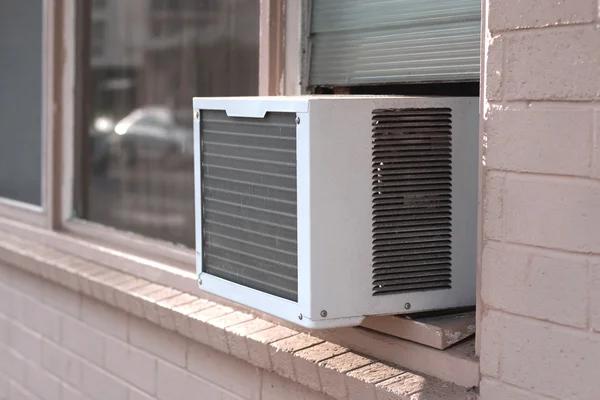
Choosing the right window air conditioner can significantly improve comfort during hot months while maintaining energy efficiency and affordability. The best options vary depending on room size, budget, noise tolerance, and additional features. For small rooms up to 150 square feet, units with cooling capacities around 5,000 BTU are ideal. These compact models offer sufficient cooling power without consuming excessive electricity. They often come with basic controls and simple installation processes which suit apartments or smaller spaces where large units would be impractical.
For medium-sized rooms ranging between 250 to 350 square feet, a window air conditioner with about 8,000 to 10,000 BTU capacity is recommended. These models balance performance and cost effectively by providing stronger airflow and better temperature control. Many of these units include programmable timers and remote controls for convenience as well as adjustable fan speeds to customize comfort levels throughout the day or night.
Larger rooms or open-plan areas require more powerful systems that deliver up to 12,000 BTU or higher. Such units ensure rapid cooling even in spaces exceeding 400 square feet but tend to consume more energy. Selecting an Energy Star-certified model is crucial here because it guarantees improved efficiency compared to standard options while reducing utility bills over time. Additionally, some high-capacity window air conditioners feature advanced filtration systems that enhance indoor air quality by trapping dust particles and allergens.
Noise level is another important consideration when choosing a window AC unit since louder machines can disrupt sleep or work environments. Modern designs prioritize quieter operation through improved compressors and insulated housings so users can enjoy cool air without distraction. Reading product reviews focusing on decibel ratings helps identify quieter choices suitable for bedrooms or offices.
Energy efficiency should always be prioritized regardless of room size because it impacts both environmental footprint and monthly expenses. Units equipped with inverter technology adjust compressor speed dynamically rather than cycling on/off repeatedly; this leads to smoother temperature regulation along with lower power consumption over extended periods.
Additional features such as Wi-Fi connectivity allow remote control via smartphone apps enabling users to turn the unit on before arriving home for immediate comfort upon entry. Some models also incorporate dehumidification modes beneficial in humid climates by reducing moisture levels indoors alongside cooling functions.
In summary, selecting the best Window Air Conditioner depends largely on matching capacity with room size while considering noise output and energy-saving technologies available within your budget range. Small rooms benefit from compact low-BTU units whereas larger spaces demand higher-powered devices featuring efficient compressors and smart functionalities for enhanced user experience throughout warm seasons year after year.