
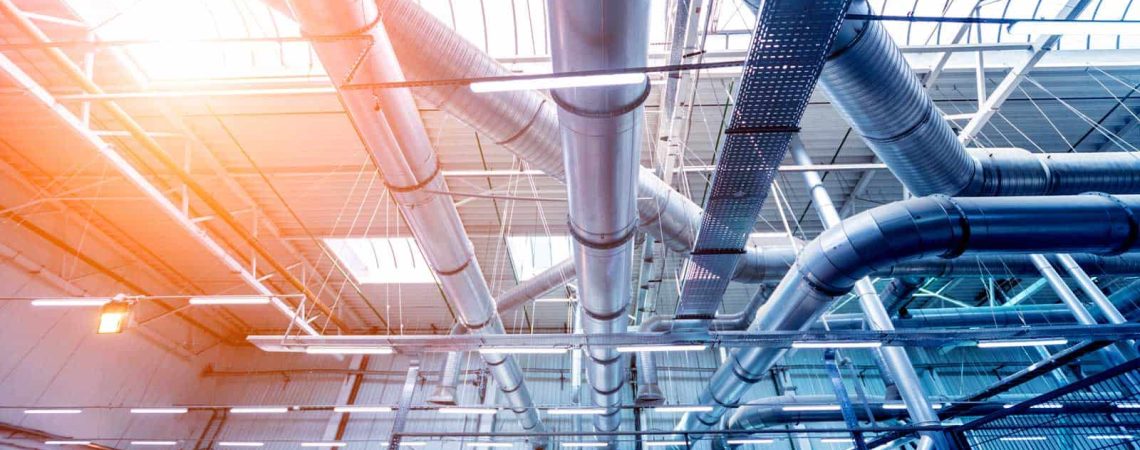
HVAC infrastructure plays a crucial role in supporting green building certifications by enhancing energy efficiency, improving indoor air quality, and reducing environmental impact. Green building certifications such as LEED (Leadership in Energy and Environmental Design), WELL Building Standard, and BREEAM emphasize sustainable design practices that minimize resource consumption while promoting occupant health. HVAC systems are often the largest consumers of energy within commercial and residential buildings, making their optimization essential for achieving these certification goals.
Energy efficiency is a primary focus of green building programs, and modern HVAC systems contribute significantly by utilizing advanced technologies that reduce power usage without compromising comfort. Variable refrigerant flow (VRF) systems, high-efficiency heat pumps, and smart thermostats allow precise temperature control tailored to occupancy patterns. These innovations prevent unnecessary heating or cooling when spaces are unoccupied or during off-peak hours. Additionally, integrating renewable energy sources such as solar-powered HVAC units can further decrease reliance on fossil fuels. Efficient ductwork design minimizes air leaks and pressure losses, ensuring that conditioned air reaches intended areas with minimal waste.
Indoor environmental quality is another key criterion in green certifications where HVAC infrastructure has substantial influence. Proper ventilation strategies ensure adequate fresh air exchange to dilute indoor pollutants like volatile organic find more information compounds (VOCs), carbon dioxide, and particulate matter. Advanced filtration systems capture allergens and contaminants while maintaining airflow rates aligned with health standards set by certification bodies. Humidity control features help prevent mold growth and maintain occupant comfort throughout varying weather conditions. By combining these elements, HVAC designs promote healthier indoor environments conducive to productivity and well-being.
Water conservation measures also intersect with HVAC system choices relevant to sustainability standards. Some green buildings incorporate water-cooled chillers or use condensate recovery methods to recycle moisture generated during cooling processes for irrigation or other non-potable uses. This approach reduces overall water demand without sacrificing system performance.
Furthermore, monitoring tools integrated into modern HVAC setups enable continuous assessment of energy consumption and operational efficiency. Real-time data allows facility managers to identify inefficiencies promptly and implement corrective actions before they escalate into costly issues or compliance failures.
In summary, effective HVAC infrastructure underpins many aspects of green building certifications by advancing energy-saving technologies, fostering healthy indoor conditions through superior ventilation controls, conserving water resources via innovative system designs, and facilitating ongoing performance monitoring. Through careful planning and implementation of sustainable heating, ventilation, and air conditioning solutions aligned with certification criteria, builders can achieve environmentally responsible structures that deliver long-term economic benefits alongside improved occupant satisfaction.