
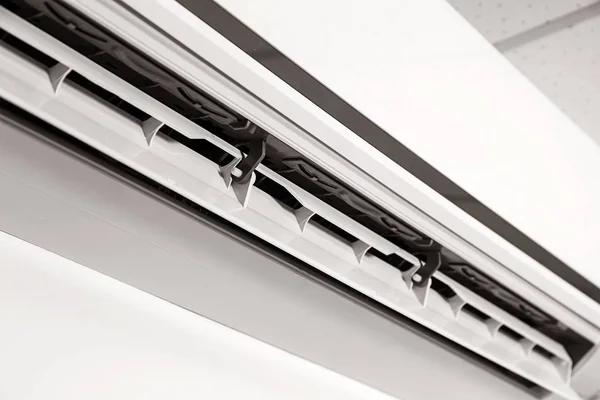
In recent years, increasing attention has been given to the impact of indoor air quality on health. While much focus is placed on pollutants and allergens, one crucial factor often overlooked is ventilation. Poor ventilation in indoor environments can lead to a host of hidden health risks that affect both physical and mental well-being.
Indoor spaces with inadequate ventilation allow for the accumulation of various pollutants such as carbon dioxide, volatile organic compounds (VOCs), mold spores, and other particulates. These substances can significantly degrade air quality, contributing to respiratory issues like asthma and allergies. For individuals already suffering from chronic respiratory conditions, poor ventilation exacerbates symptoms by trapping these irritants indoors.
Moreover, insufficient airflow can lead to increased levels of humidity which create ideal conditions for mold growth. Mold not only damages property but also poses serious health risks. Prolonged exposure to mold spores can result in nasal congestion, throat irritation, coughing or wheezing, eye irritation or skin rashes. In severe cases, it may even trigger asthma attacks or cause lung infections.
Beyond physical ailments, poor ventilation has implications for cognitive function and mental health as well. High concentrations of carbon dioxide due to inadequate air exchange have been linked with decreased cognitive performance dive into the details including difficulties in concentration and decision-making processes among occupants within enclosed spaces like offices or schools.