
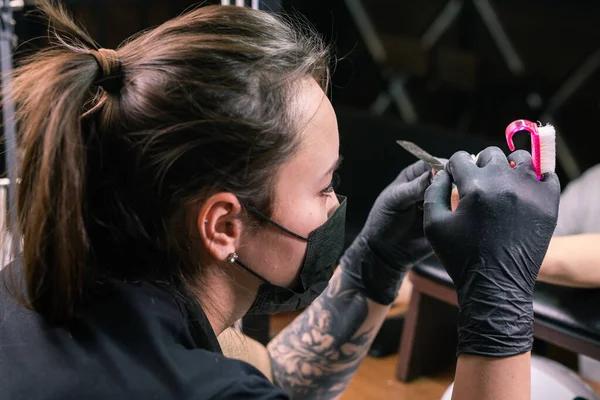
When considering tattoos and piercings, achieving long-lasting results depends not only on the skill of the artist but also on proper aftercare and informed choices. Selecting a reputable studio is the first step toward ensuring quality work that endures over time. A professional establishment will prioritize hygiene, use sterile equipment, and employ experienced artists who understand skin types and body anatomy. This foundation reduces risks of infection and promotes better healing, which directly impacts how well your tattoo or piercing holds up.
Before getting inked or pierced, it’s important to communicate openly with your technician about your lifestyle, skin sensitivity, and any medical conditions. This dialogue helps tailor the procedure to your individual needs. For tattoos especially, choosing a design that complements your skin tone and placement can influence how vibrant it remains as years pass. Areas exposed frequently to sunlight tend to fade faster unless protected consistently.
Aftercare plays a crucial role in preserving both tattoos and piercings. Following the studio’s instructions diligently ensures proper healing without complications such as scarring or color loss for tattoos, or irritation for piercings. For tattoos, keeping the area clean with mild soap and lukewarm water while avoiding excessive moisture is essential during initial healing phases. Applying website recommended ointments prevents dryness but should be done sparingly to avoid clogging pores.
Protecting new body art from direct sunlight cannot be overstated; ultraviolet rays break down pigments causing fading over time. Using broad-spectrum sunscreen once healed safeguards colors from dulling prematurely. Similarly, avoiding swimming pools or hot tubs during early recovery prevents exposure to bacteria that could cause infections in fresh wounds.
For piercings, maintaining cleanliness by rinsing with saline solution supports tissue regeneration without harsh chemicals that might irritate sensitive areas. Refraining from touching or rotating jewelry unnecessarily minimizes trauma around the site allowing stable integration into surrounding tissue layers.
Regular check-ins at trusted studios are advisable if you notice changes like swelling beyond normal levels or unusual discharge indicating potential problems requiring professional attention promptly.
Ultimately, patience combined with consistent care contributes greatly to longevity in both tattoos and piercings. Investing time into understanding each stage-from selection through aftercare-ensures you enjoy vibrant artwork or comfortable adornment for many years ahead without compromising health or appearance standards established by skilled professionals within safe environments dedicated to client well-being.