
I’ve spent years in and out of gyms, and I’ll be the first to tell you that the numbers can be a total head-trip. I remember the first time I stood on a scale after a long break from training. It was discouraging. I felt like I’d lost all the progress I’d made over the summer, and the mirror wasn’t exactly helping my confidence. It’s so easy to get caught up in tracking every single calorie and weighing yourself three times a day. But that’s a recipe for burnout. I’ve been there—obsessing over every gram of protein and feeling like a failure because the scale didn’t move for a week. Or worse, feeling great until I saw a specific number that didn’t fit my “ideal” image. We tend to simplify health into these tiny boxes, but it’s so much messier than that. You can’t just look at one metric and know your whole story. And honestly, it took me a long time to realize that these tools are meant to be guides, not judges. They’re just data points in a much bigger picture of how you actually feel and move.
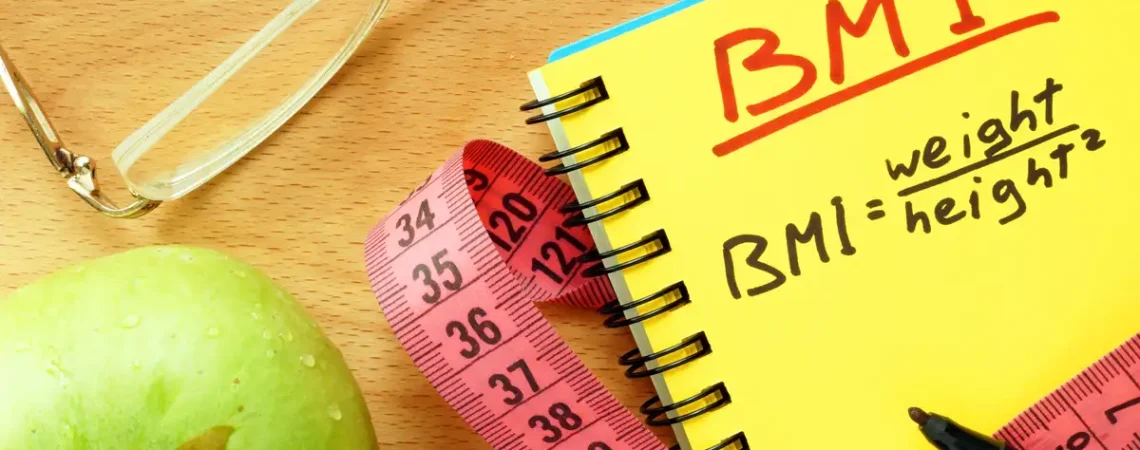
One thing I’ve learned is that context is everything. When I first used a BMI Calculator, I was annoyed because it didn’t account for the muscle I was trying so hard to build. It’s a common complaint, right? We hear it all the time from athletes and bodybuilders. But for most of us just trying to get off the couch and feel a bit better, it’s a decent starting line. It gives you a baseline to work from when everything else feels like guesswork. I found that using these kinds of tools helped me stop lying to myself about where I was physically. It wasn’t about being perfect; it was about having a realistic view of my health risks so I could make better choices at the grocery store. I’ve seen people get paralyzed by too much information, but a simple check-in can actually be quite grounding. It’s about taking that first step toward a more organized approach to your fitness. You don’t need a fancy lab or a thousand-dollar scan to get a sense of where you stand. Sometimes the simplest tools are the ones that actually keep you on track.
But you can’t stop there. Once I got my baseline, I started looking at other things like my energy levels and how my clothes were fitting. I think the real secret to sticking with a fitness plan is finding a balance between the hard data and your own intuition. Or maybe it’s just about being kinder to yourself when the numbers don’t go your way. I’ve had months where my metrics stayed flat but I could suddenly run a mile without stopping. That’s a huge win, even if a chart doesn’t show it. You have to celebrate those small victories. Don’t let a single calculation ruin your day or stop you from going to the gym. It’s just one part of the journey. I keep a log now, not because I’m obsessed with the data, but because I like seeing the long-term trends. It reminds me that progress isn’t a straight line. It’s more like a jagged path that eventually heads upward. Focus on the habits, and the numbers will eventually follow. Just keep showing up, and don’t be so hard on yourself when things get complicated. It’s a process, after all.