
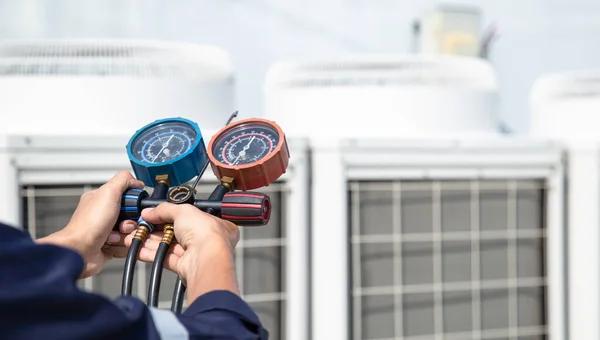
Diagnosing issues in HVAC systems often involves distinguishing between refrigerant undercharge and airflow problems, two common causes of poor cooling performance. However, these issues can sometimes be confused due to overlapping symptoms, leading to misdiagnosis that affects repair quality and system efficiency. Understanding the differences and recognizing typical mistakes made during diagnosis is crucial for technicians aiming to deliver accurate solutions.
Refrigerant undercharge occurs when there is insufficient refrigerant in the system, which compromises the unit’s ability to absorb heat effectively. This condition typically results from leaks or improper charging during installation or maintenance. When a system is undercharged, it may display low suction pressure on gauges and exhibit reduced cooling capacity. The evaporator coil might freeze due to inadequate heat absorption, causing further complications like compressor damage if left unaddressed.
On the other hand, airflow problems stem from restricted or insufficient air movement across the evaporator coil. Causes include dirty filters, blocked vents, malfunctioning fans, or ductwork issues such as leaks or obstructions. Poor airflow reduces heat transfer efficiency because less warm air passes over the coil surface for cooling. Symptoms often mimic those of refrigerant undercharge: frozen coils and diminished cooling output are common in both cases.
One frequent mistake leading to visit our blog misdiagnosis is relying solely on pressure readings without considering airflow conditions thoroughly. Low suction pressure may suggest low refrigerant charge; however, restricted airflow can cause similar pressure drops by reducing heat load on the coil. Technicians must assess filter cleanliness, fan operation, duct integrity, and overall system ventilation before concluding a refrigerant issue exists.
Another error involves neglecting temperature measurements at various points within the system. Accurate temperature differentials across components help identify whether inefficiency arises from poor heat exchange due to low refrigerant levels or from inadequate air circulation limiting thermal transfer capability.
Misinterpreting frozen coils also contributes significantly to diagnostic errors. While ice buildup frequently indicates low refrigerant charge because of reduced evaporation temperatures inside the coil tubes, it equally signals insufficient airflow preventing proper defrosting through warm air contact.
Proper diagnosis requires a holistic approach combining pressure checks with thorough inspection of mechanical elements affecting airflow alongside detailed temperature analysis throughout operational cycles. Avoiding assumptions based purely on isolated data points ensures repairs target root causes rather than symptoms alone.
In summary, differentiating between refrigerant undercharge and airflow problems demands careful evaluation beyond initial impressions formed by gauge readings alone. Recognizing how each factor influences system behavior helps prevent costly errors that compromise HVAC performance and longevity while improving customer satisfaction through precise troubleshooting methods tailored specifically for each scenario encountered in practice environments today.