
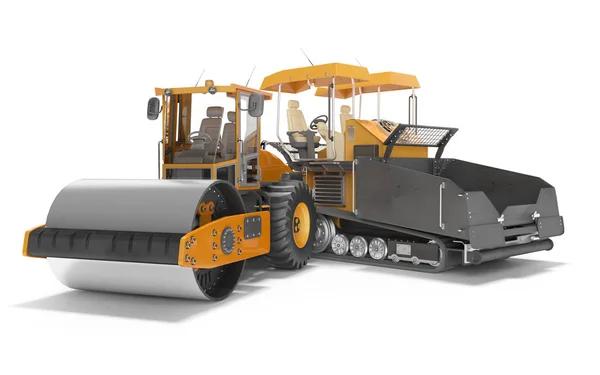
Determining the value of machinery and equipment is a critical process for businesses across various industries. Whether for buying, selling, insurance purposes, or financial reporting, understanding how to assess the worth of these assets accurately can have significant implications. The valuation process involves several steps and considerations that ensure an accurate appraisal.
The first step in determining the value of machinery and equipment is identifying the purpose of the valuation. Different scenarios require different approaches; for instance, a valuation for insurance purposes may differ from one conducted for sale or purchase. Understanding this context helps in selecting appropriate methods and assumptions.
Next, gather comprehensive information about the machinery or equipment in question. open this page includes details such as make, model, year of manufacture, serial number, original purchase price, and any modifications made over time. Maintenance records are also crucial as they provide insight into the condition and operational efficiency of the asset.
Once all relevant information is collected, choosing an appropriate valuation method is essential. There are three primary methods: cost approach, market approach, and income approach. The cost approach considers what it would cost to replace or reproduce the asset with a similar one at current prices while accounting for depreciation due to wear and tear or obsolescence.
The market approach involves comparing similar machines or equipment recently sold in open markets to determine a fair market value. This method requires access to reliable data on recent transactions involving comparable assets.
The income approach focuses on estimating future cash flows that could be generated by using the machine or equipment over its useful life span; these cash flows are then discounted back to their present value using an appropriate discount rate.
After selecting a suitable method (or combination thereof), apply necessary adjustments based on specific factors affecting value—such as technological advancements rendering older models obsolete faster than anticipated—and economic conditions impacting demand within particular sectors where said assets operate predominantly upon resale opportunities arise eventually down-the-line potentially influencing final pricing decisions ultimately reached during negotiations between parties involved directly therein too!
Finally comes documentation phase wherein detailed report outlining findings reached throughout evaluation process gets compiled together systematically ensuring transparency accuracy maintained consistently throughout entire exercise thereby fostering trust credibility amongst stakeholders relying heavily upon conclusions drawn therein especially when dealing complex high-value transactions requiring utmost diligence care attention paid every single aspect examined thoroughly beforehand leaving nothing overlooked inadvertently whatsoever under any circumstances imaginable conceivable ever possibly arising unexpectedly without warning suddenly catching anyone off guard unprepared ill-equipped handle efficiently effectively timely manner possible given constraints limitations imposed externally internally alike simultaneously concurrently always bearing mind ultimate goal achieving optimal outcomes beneficial mutually advantageous everyone concerned equally fairly justly balanced manner satisfactorily ideally whenever feasible practicable realistically achievable within reason naturally logically sensibly pragmatically speaking course!