
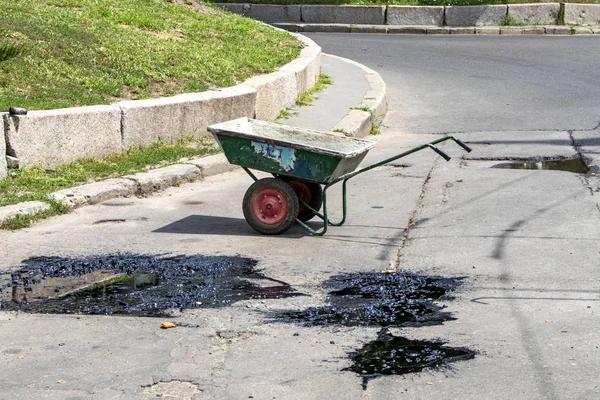
Weather plays a crucial role in the effectiveness and longevity of asphalt surface repair. The condition of the environment during and after repair work directly influences how well the materials bond, cure, and withstand future wear. Understanding these impacts helps contractors plan repairs more effectively to ensure durable results.
Temperature is one of the most significant weather factors affecting asphalt repair. Asphalt materials require specific temperature ranges for proper application and curing. When temperatures are too low, typically below 50°F (10°C), asphalt mixtures can become stiff and difficult to work with, leading to poor compaction and weak bonding with existing pavement. Cold weather also slows down the curing process, increasing vulnerability to damage from traffic or moisture before fully setting. Conversely, extremely high temperatures may cause rapid drying that prevents adequate adhesion between layers or causes premature softening once cured.
Paving services in Annapolis
Moisture is another critical consideration during asphalt repairs. Rain or excessive humidity can interfere with surface preparation by preventing proper cleaning and drying of cracks or potholes prior to filling them. If water remains trapped beneath repair material, it can lead to inadequate bonding as well as accelerated deterioration through freeze-thaw cycles in colder climates. Repairs performed on wet surfaces often fail prematurely due to reduced material cohesion and increased susceptibility to cracking or pothole recurrence.
Wind conditions also influence asphalt repairs indirectly by affecting drying times and debris accumulation on prepared surfaces. Strong winds can blow dust, leaves, or other particles into freshly applied patches before they properly set, compromising adhesion quality. Additionally, windy environments may accelerate evaporation rates during hot mix applications but could hinder curing when using cold mixes that rely on chemical reactions rather than heat alone.
Seasonal changes explore further complicate planning for asphalt maintenance projects because temperature fluctuations introduce expansion and contraction stresses within pavement structures. Scheduling repairs during stable weather periods minimizes these effects by allowing materials sufficient time to harden without sudden thermal shocks that might cause cracking shortly after application.
In summary, successful asphalt surface repair depends heavily on favorable weather conditions at every stage-from preparation through curing-ensuring optimal performance over time. Contractors must carefully monitor forecasts and select appropriate materials tailored for expected environmental factors such as temperature ranges and moisture levels. By doing so, they reduce risks associated with improper adhesion or premature failure caused by adverse weather impacts while extending pavement life expectancy efficiently under varying climatic circumstances.
Solid Paving & Concrete
2901 Riva Trace Pkwy #103, Annapolis, MD 21401
301-500-0309